


What to Consider When Adding an Island to Your Kitchen
Adding a kitchen island is one of the most popular upgrades homeowners make, and it's easy to see why. It adds workspace, storage, and a natural gathering spot all in one. Before you dive in, there are a few important things to think through so you end up with an island that actually works for your kitchen and your lifestyle.
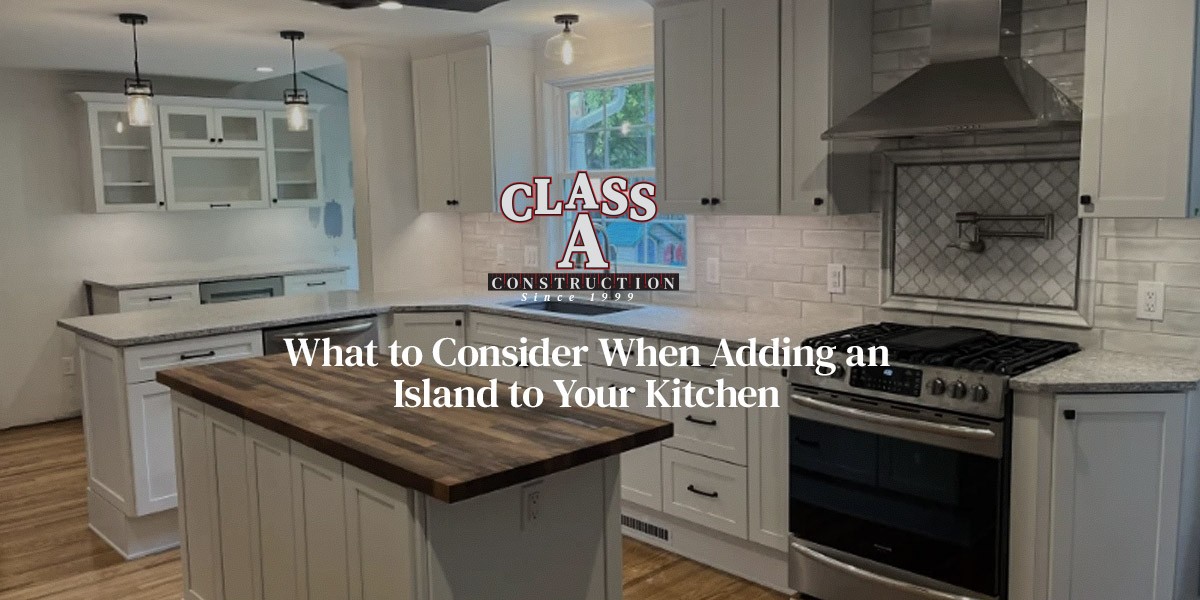
5 Kitchen Island Design Considerations
A well-planned kitchen island can completely change how you use your space. But the keyword there is "planned." Getting the design right comes down to a handful of key decisions, and each one affects the others.
Here's what to consider before you get started.
Get a Free Estimate On Your Kitchen Renovation
1. Kitchen Island Placement
Where your island goes is arguably the most important decision you'll make. Get this wrong, and even the most beautiful island will feel like it's in the way.
- Traffic flow is everything. Most design guidelines recommend at least 42 inches of clearance on all sides of the island, and 48 inches is even better if multiple people cook at once. You want to be able to open the oven, dishwasher, and refrigerator without bumping into the island.
- Think about your kitchen's layout. Islands work best in kitchens with an open floor plan. If your kitchen is on the smaller side, a cramped island can actually make the room feel tighter and harder to navigate.
- Consider how you move through the space. If your kitchen connects to a dining room or living area, you don't want the island cutting off the natural path between rooms.
2. Shape and Size
The shape and size of your island should be driven by your kitchen's dimensions and how you plan to use it.
- Standard island depth is around 24 to 28 inches, which lines up with typical base cabinet depth. Length varies widely, but most islands fall somewhere between 4 and 6 feet.
- Rectangular islands are the most common because they're efficient and work in most kitchens. L-shaped or curved islands can be great in larger, open-concept spaces where you want to define zones.
- Don't size up just because you can. A larger island sounds appealing, but if it crowds your kitchen, it'll create frustration every day. Scale it to your actual space, not your wish list.
- Waterfall edges and unique countertop shapes can add a lot of visual interest. Just keep in mind that more complex shapes typically come with a higher price tag.
3. Seating
One of the biggest draws of a kitchen island is the ability to pull up a stool and sit down. If seating is part of your plan, it needs to be designed in from the start.
- Overhang matters. You'll need at least 12 inches of countertop overhang to allow for comfortable knee clearance. For a standard counter height of 36 inches, bar stools that seat around 24 to 26 inches work well. For counter-height seating at 42 inches, you'll want taller stools.
- Plan for enough space per person. Allow about 24 inches of width per seat so nobody's elbow-to-elbow.
- Seating on one side vs. multiple sides is worth thinking about. If space is tight, seating on just one end or one side keeps things tidy without sacrificing the function.
- Consider who's using it. Families with young kids in places like Penfield or Pittsford might prioritize lower, more accessible seating, while empty nesters might go for taller bar-style seating that lends a more modern look.
4. Storage
An island is a fantastic opportunity to add storage, but it's worth thinking about what kind of storage actually makes sense for how you cook and live.
- Base cabinets with doors are great for hiding larger items like stand mixers, pots, and bulk pantry items.
- Drawers are often more practical than cabinets for everyday items because you can see everything at once without crouching down.
- Open shelving on one side of the island looks great and keeps things accessible, but it does require you to keep things tidy since it's always on display.
- Built-in wine racks, spice pullouts, or trash/recycling bins are popular options that homeowners in the Rochester area frequently add to make their kitchens more functional.
- Don't forget the back side. If seating is on one side, the opposite side is prime real estate for deep drawers or shelving.
5. Appliances and Utilities
This section is where things get more technical, and it's one of the main reasons working with an experienced contractor makes a big difference. Adding appliances or utilities to your island means involving plumbing, electrical, and sometimes ventilation work.
- A sink in the island is a very popular feature, but it requires running a water supply line and drain to the island. This is very doable, but it's not a DIY project. It also means you'll want to think carefully about where the island sits relative to your existing plumbing.
- Electrical outlets should almost always be part of an island design. You'll want them for small appliances, phone charging, and general convenience. Code requirements vary, so it's important to work with a licensed contractor to make sure everything is done properly.
- A microwave drawer installed in the island base is a sleek option that frees up counter and cabinet space elsewhere in the kitchen.
- Cooktops in the island are a popular choice in larger, more open kitchens. If you go this route, you'll need to factor in ventilation, which typically means a range hood above the island.
- Warming drawers, beverage refrigerators, and dishwashers can also be integrated into the island, depending on the size and your goals.
For homeowners in areas like Webster, Fairport, or Walworth, where older homes may have more dated electrical panels or plumbing, it's especially important to have a professional assess what's already in place before committing to an island design with built-in utilities.
Contact Class A Construction Today
Transform Your Kitchen With Help From Class A Construction
Adding a kitchen island takes careful planning and skilled execution to get it right. That's where Class A Construction comes in. Proudly serving Rochester, NY and surrounding communities including Ontario, Pittsford, Penfield, Fairport, Webster, Sodus, and Walworth, they've been helping homeowners transform their kitchens since 1999. Whether you're adding an island to your existing layout or tackling a full kitchen remodel, their team handles everything from custom cabinetry to plumbing and electrical work.
Call 585-747-1724 or contact us today to schedule your free estimate today.